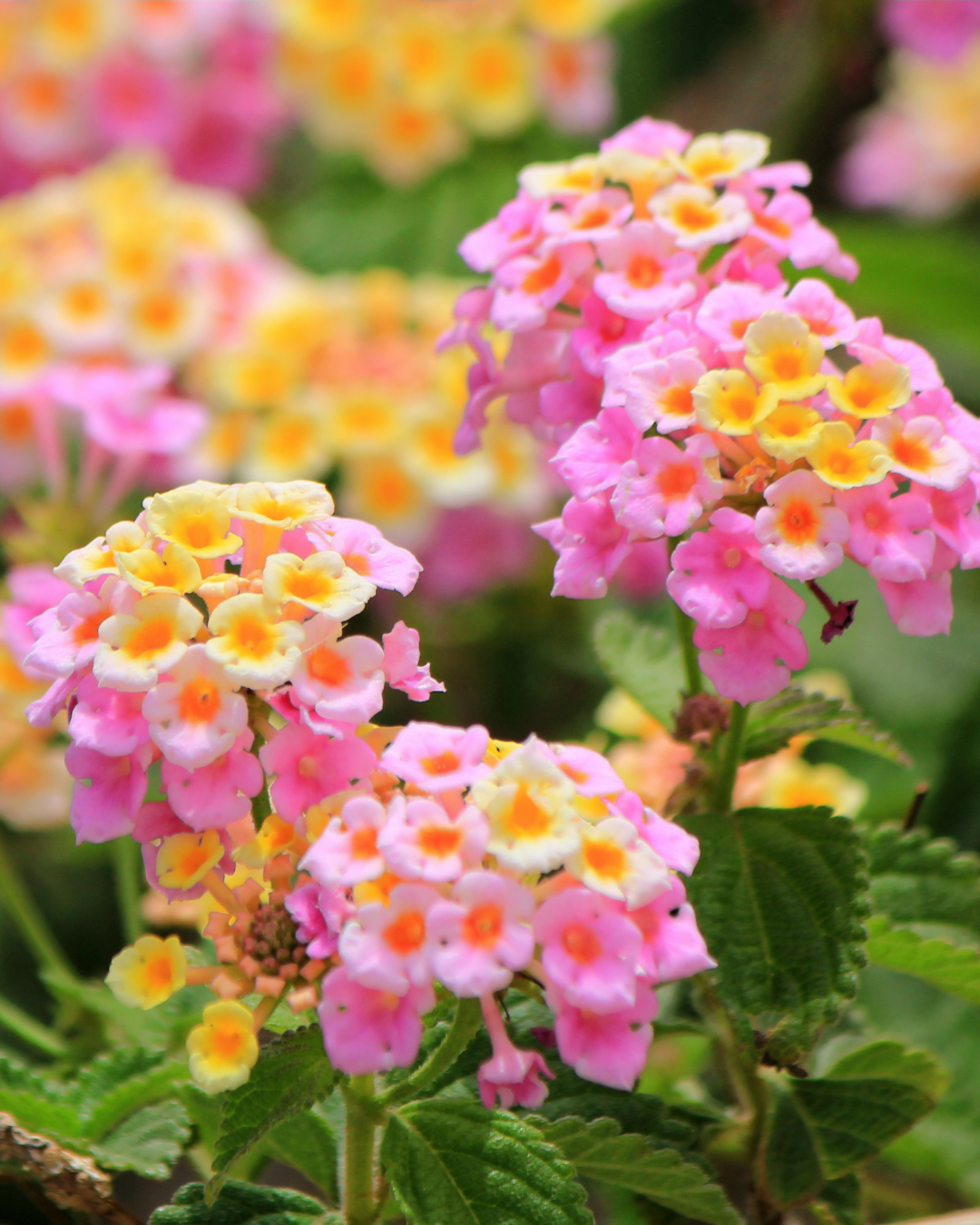
By August, even the healthiest commercial flower beds begin to show signs of fatigue. Months of triple-digit temperatures, intense UV exposure, and inconsistent rainfall can leave once-vibrant seasonal color looking tired. While many property managers assume this is simply part of summer, August is actually one of the most important months for evaluating flower beds and preparing for the transition into fall.
At Woodlake Outdoor, we use August to assess seasonal color performance, identify declining plant material, and begin planning fall installations so commercial properties maintain strong curb appeal throughout the year.
Why August Is Tough on Summer Annuals
Texas summers push flowering annuals to their limits. Even heat-loving varieties eventually begin slowing down after months of continuous blooming.
Common signs of seasonal decline include:
- Faded blooms
- Leggy or stretched growth
- Yellowing foliage
- Reduced flowering
- Increased irrigation demands
While these plants may still be alive, their visual impact often begins decreasing significantly during August.
Which Summer Flowers Continue Performing?
Some annuals continue producing strong color well into late summer.
For commercial landscapes in Dallas and Austin, these often include:
- Vinca
- Angelonia
- Pentas
- Lantana
- Blue Daze
These varieties tolerate extreme temperatures while maintaining vibrant color longer than many traditional bedding plants.
Start Planning Fall Color Now
Many people believe fall color is planned in October.
In reality, August is when successful commercial properties begin selecting plant palettes, scheduling installations, and coordinating landscape improvements.
Planning early allows for:
- Better plant availability
- Coordinated installation schedules
- More vibrant fall displays
- Less disruption to property operations
Popular Texas fall combinations include:
- Bronze mums
- Purple ornamental kale
- White alyssum
- Purple pansies
- Red dianthus
Early planning also ensures color transitions happen seamlessly rather than leaving beds empty between seasons.
Don’t Forget Your Irrigation
As summer annuals begin declining, irrigation zones should be evaluated before fall installations.
Proper adjustments now help prevent:
- Overwatering declining annuals
- Water waste
- Disease development
- Root damage before new plants arrive
A Smooth Transition Creates Better Curb Appeal
The best commercial landscapes never look like they’re “between seasons.” Strategic planning in August allows properties to move smoothly from summer into fall without sacrificing appearance.
At Woodlake Outdoor, we help commercial properties throughout Austin and Dallas evaluate seasonal color, prepare planting schedules, and create beautiful transitions that keep landscapes looking fresh year-round.